
Towards A Christian Understanding
This is the first in a four-part series in which I explore what art is, what makes it beautiful, and why beauty matters – not merely aesthetically, but also theologically and even economically.
Over these four posts, I hope to lay out a coherent Christian philosophy of art and beauty, drawing on classical thought, the insights of St Thomas Aquinas, and the living tradition of the Church. This week, I begin at the beginning: with the question of what art actually is. It sounds almost too simple to ask, and yet we live in an age that has quietly abandoned any agreed answer – with consequences that surround us on every side. I will also consider what distinguishes good art from bad, and what makes art distinctively Christian, arguing that a work need not carry an explicitly religious subject matter to be genuinely Christian in spirit.
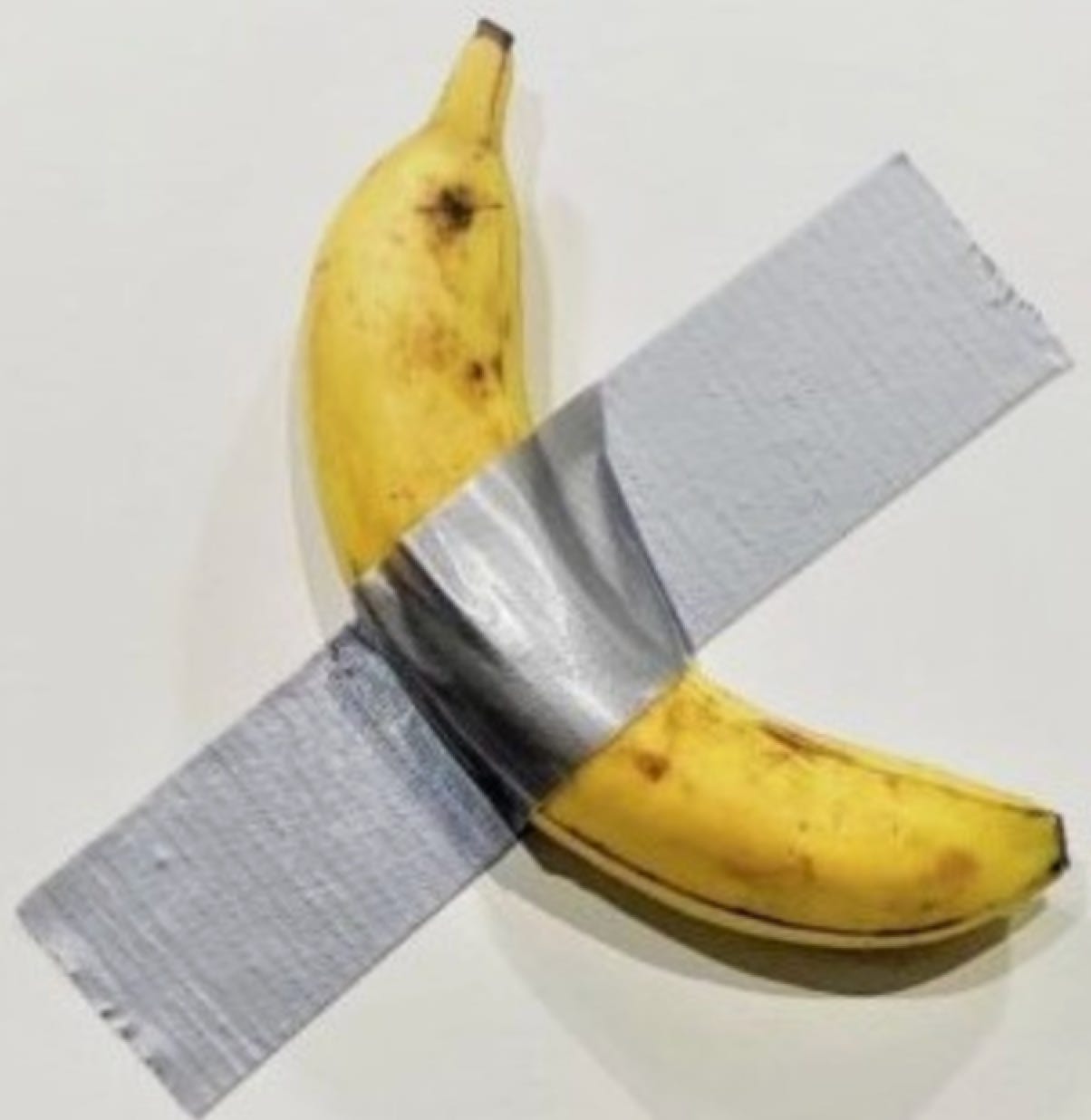 |
What is Art?
The word ‘art’ can have a variety of meanings today, and it might be impossible to come up with a definition that all will accept, but here we will focus on ideas of art that are likely to appeal to the traditionally minded Christian and for which we might find a consensus amongst non-Christians also.
Looking to traditional understandings in Western culture, we find that the ancient Greek techne and Latin ars both denoted “skill,” “craft,” or “technique” – a learned proficiency in creating or producing, encompassing all practical trades, such as carpentry, as well as what today we might call the fine arts, such as poetry or painting. An “artefact” is the product of techne in action, and the artisan is the one who creates an artifact. When we speak of an “artist” today, we typically have in mind someone who creates works of fine art.
But how precisely would we define fine art today? How does the mainstream art world define it? We want to answer this question, if only to be sure that when we discuss art with others, we at least know what they believe it to be.
One might think that the major art galleries would provide a definition, given that their whole raison d’être is the exhibition of art. However, a review of the websites of major art galleries such as MoMA, Tate, and the National Galleries of England and America doesn’t provide much help. In fact, I couldn’t find any definitions. Perhaps they assume we all know what art is and that a definition is unnecessary; or perhaps they hesitate to put anything in words because they struggle to find a definition that applies to all the artifacts they show in their galleries.
The British Museum, which is more traditional in its outlook, provides (albeit buried in a training program newsletter) a good working definition of what we would call fine art, closer to the ancient idea of art as the product of techne, as described above. This can be a good working definition for us. It says:
“The definition of art can vary depending on the context and the cultural, social, and historical background in which it is created. However, art in general can be defined as a creative expression of human skill and imagination that aims to communicate an idea, emotion, or message to an audience. This can include a wide range of media, including painting, sculpture, music, literature, film, and other forms of artistic expression.” 1
Good Art and Christian Art
For Christians, adopting this working definition from the British Museum and building on it, we might then ask: what constitutes good art? And, what constitutes Christian art?
In response, I would say that good art is art (as defined above – “a creative expression of human skill and imagination”) that fulfills a good purpose well. We define a good purpose as one consistent with a Christian worldview. This means that art can be Christian even if it does not explicitly express a religious theme or message. For example, a beautiful landscape that communicates the beauty of Creation is a work of Christian art, even if the artist had no explicitly religious intention in painting it and was not a Christian himself.
We would further say that all art is a manifestation of an idea (which might also be an emotion or a message) or an image that first exists in the artist’s imagination before being fashioned into material form. This picture in the artist’s imagination is, in traditional Christian anthropology, taken directly or assembled as a composite from information gained through sensual experience.
The creation of art, from the Christian perspective, is bound up with the creation of something beautiful. Art requires beauty to fulfill its purpose – if a work is not beautiful, it is not good; this might seem a strange proposition given that there is a place for the representation of ugliness, evil, and suffering in art. However, if the art is to portray a Christian understanding of these things, it must also communicate the purpose of these evils within the economy of grace. God must permit evil in the world for good reason, and it is the responsibility of the Christian artist to communicate that message, too. Otherwise, he is not communicating the full truth
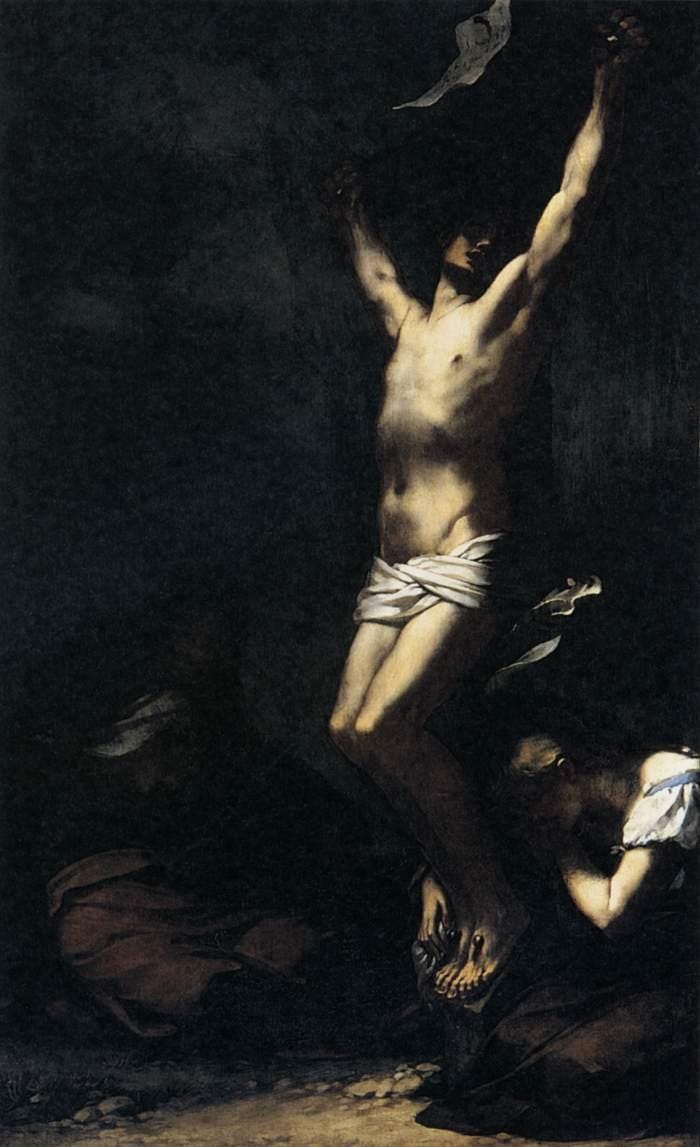
For the Christian, even in the face of evil, suffering, and ugliness, there is hope. When infused with hope, the portrayal of these otherwise ugly realities becomes beautiful. This is exemplified by depictions of the Crucifixion. A well-executed Crucifixion is a beautiful work of art. This beauty is created through the artist's treatment of the image – through skillful choices in line, tone, contrast, and composition, for example. In this way, a good artist presents the greatest crime ever committed without diminishing the profound evil it signifies, but rather by infusing the work with Christian hope – a hope that surpasses all the evil and suffering depicted.
 |




